Nov 07, 2025
Philips Completes First Cath Lab Installation Under the National Health Transformation Program
Kediri Regency, East Java, Indonesia – Royal Philips (NYSE: PHG, AEX: PHIA), a global leader in health technology, today successfully completed the installation of the first Image-guided Therapy (IGT) system at RSUD Kabupaten Kediri, aimed at enhancing cardiac, stroke, and cancer care with minimally invasive care for the people of Kediri and its surrounding areas. The installation of the latest image-guided therapy (IGT) facility, or Cath Lab, at the hospital marks a tangible milestone in the implementation of the Indonesia Health Systems Strengthening (IHSS) program initiated by the Ministry of Health of the Republic of Indonesia. This initiative is expected to improve treatment outcomes in critical conditions, where timely intervention can be a decisive factor in saving patients’ lives.
The installation is part of a previously announced multiyear agreement between Philips and Indonesia’s Ministry of Health to deploy state-of-the-art image-guided therapy systems across all 38 provinces nationwide, under the Strengthening Indonesia’s Healthcare Referral Network (SIHREN) project.
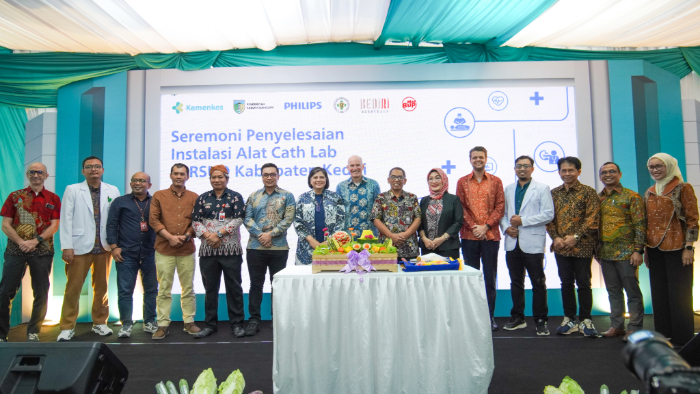
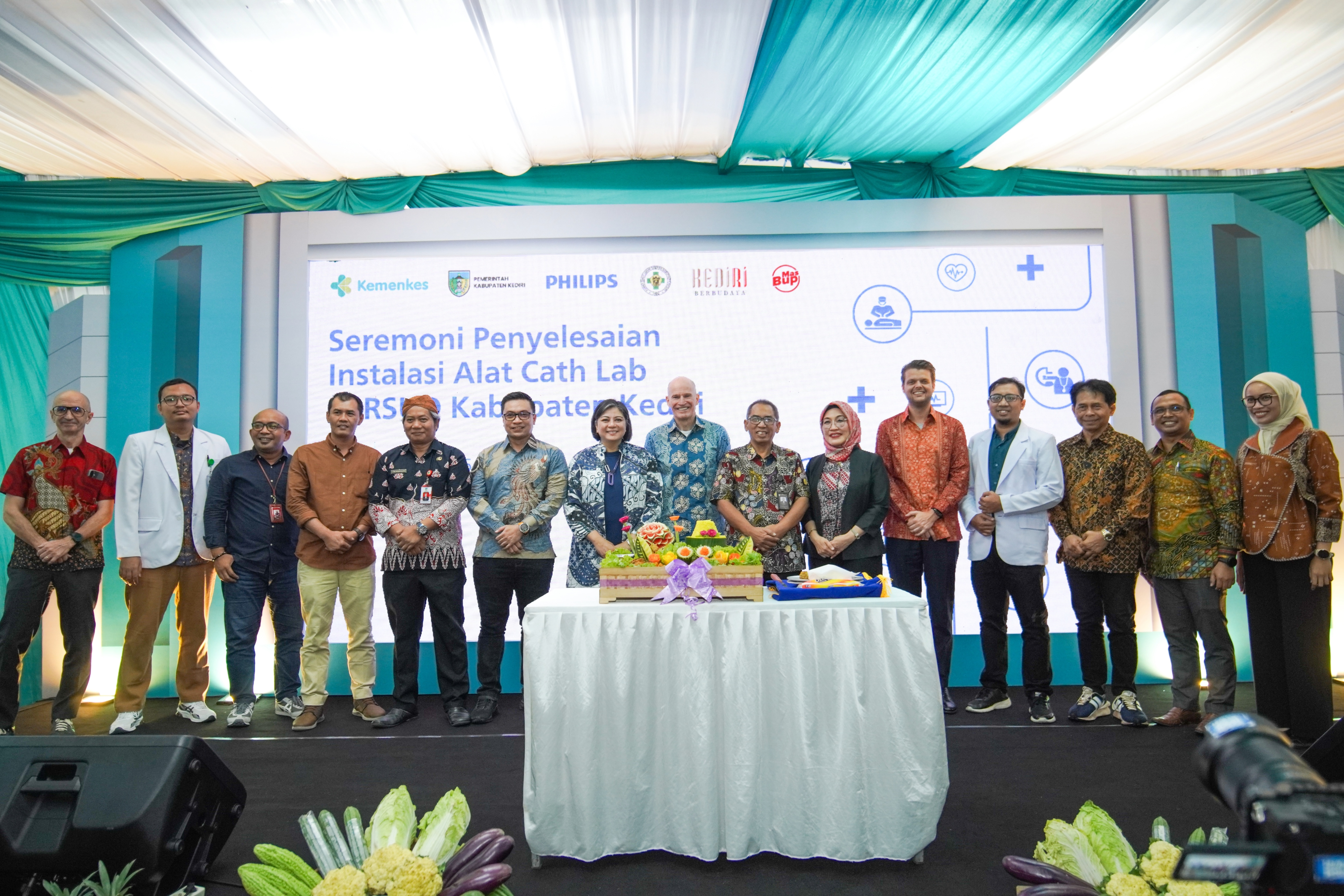
Group photo of the RSUD Kabupaten Kediri team and Philips team at the Cath Lab Installation Completion Ceremony at the hospital.
Access to advanced care closer to home
“We are deeply grateful to the Ministry of Health for their trust. The presence of this Cath Lab brings significant benefits to the people of Kediri — from faster diagnosis to more effective treatment of heart disease,” said dr. R. Gatut Rahardjo, Sp.An., Director of RSUD Kabupaten Kediri. “The installation process has been completed, and we are now finalizing several procedures so that this facility can soon be utilized for the community.”
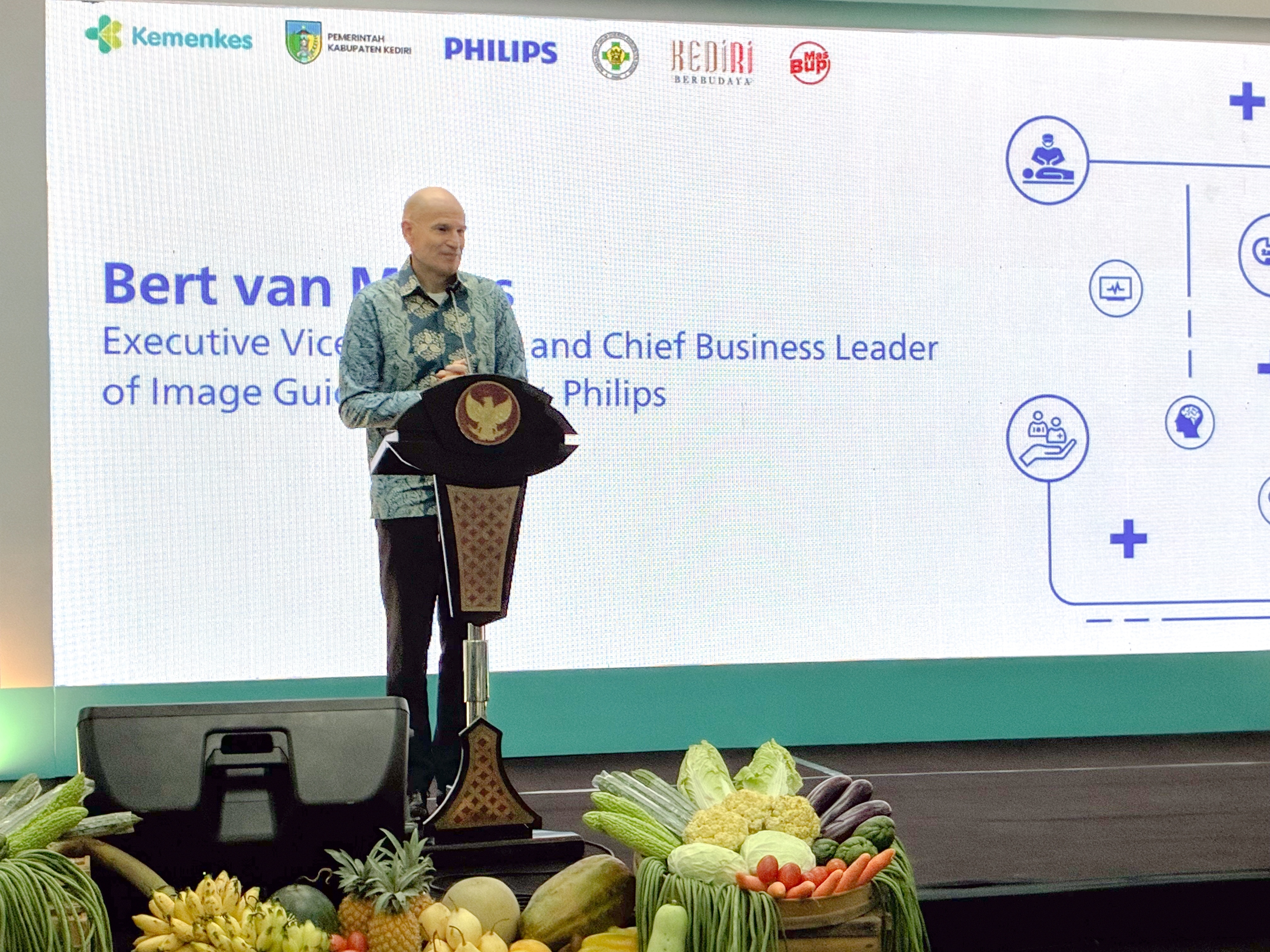
“We are grateful for the trust and collaboration extended to Philips in this important initiative,” said Bert Van Meurs, Executive Vice President and Chief Business Leader for Image-Guided Therapy at Philips. “This milestone shows what collaboration can achieve—bringing advanced, minimally invasive care closer to home. By reducing barriers to access, we can improve outcomes for heart, stroke, and cancer patients while advancing health equity. Our work with the hospital, the Ministry of Health, and local authorities in Kediri sets a strong foundation for scaling our impact. We look forward to a broader rollout to deliver timely, high-quality care to more communities across Indonesia.”
After the completion of the Cath Lab installation, Philips will also conduct handover training for healthcare professionals at RSUD Kabupaten Kediri, which will help strengthen local capacity and support professional education. Following Kediri in East Java, Philips will expand installations to more provinces in Indonesia by end of 2025.
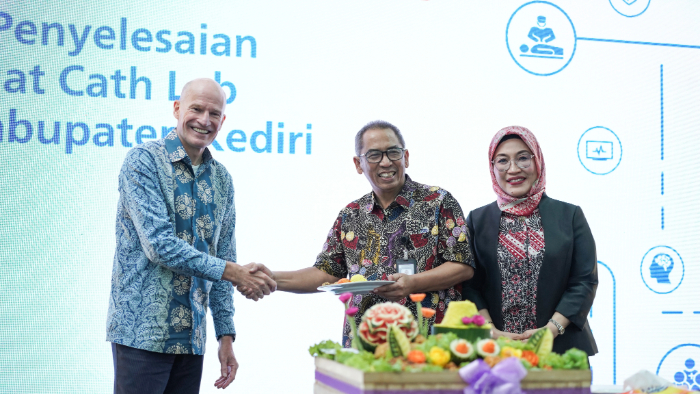
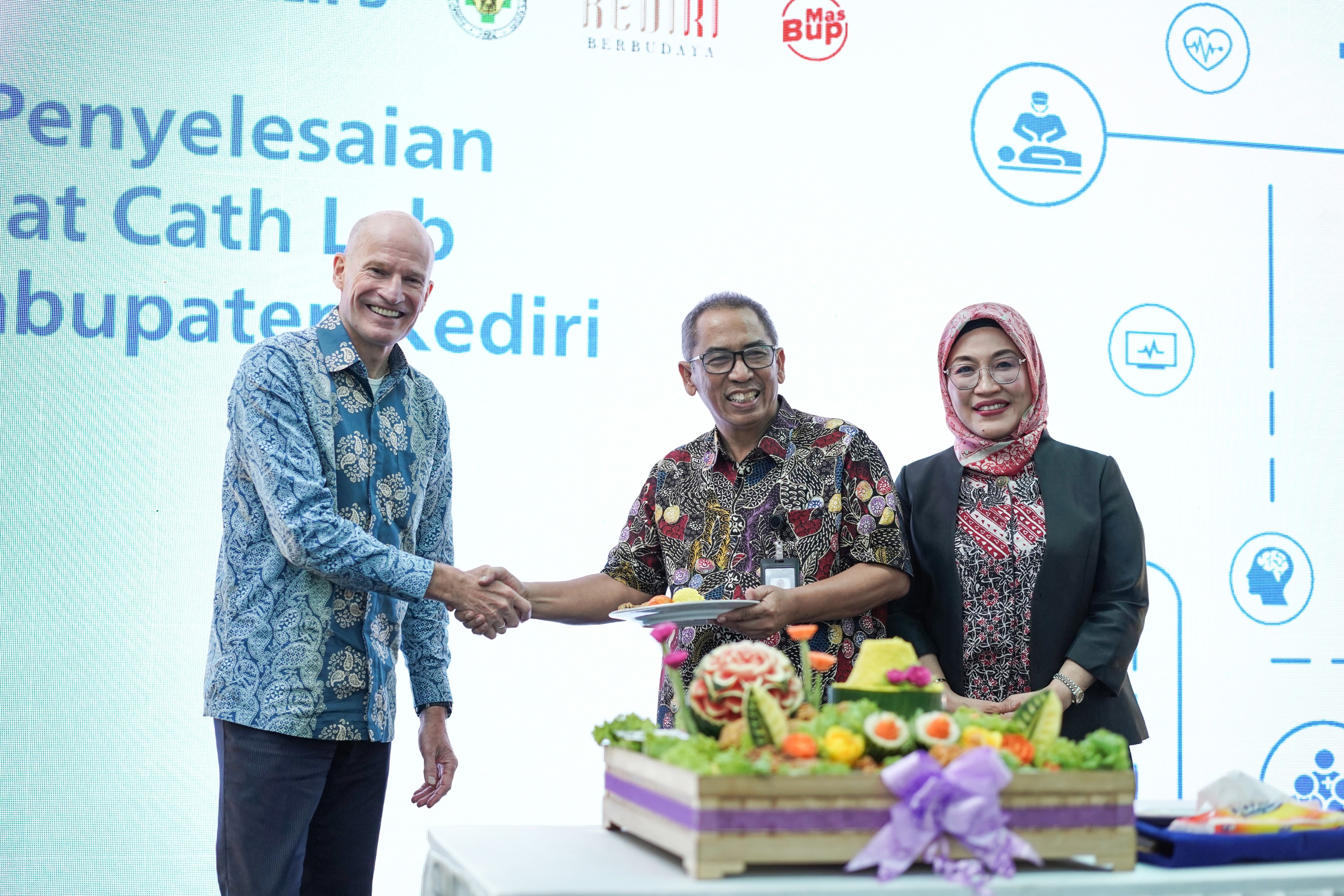
Presentation of the ‘tumpeng’ by Bert van Meurs, Executive Vice President and Chief Business Leader for Image-Guided Therapy at Philips, to the Director of RSUD Kabupaten Kediri, Dr. R. Gatut Rahardjo, Sp.An, accompanied by Astri Ramayanti Dharmawan, President Director of Philips Indonesia.
Strengthening Indonesia’s Healthcare Network
Indonesia’s vast and diverse geography, with a population exceeding 280 million, and rising burden of non-communicable diseases, make equitable access to healthcare a national imperative.
The signed agreements under the Strengthening Indonesia’s Healthcare Referral Network (SIHREN) component of the Indonesia Health Systems Strengthening (IHSS) project, awarded to Philips after an international, competitive bidding process, will see Philips providing cutting-edge advanced image-guided therapy systems, services, and training to strengthen Indonesia’s health infrastructure. By equipping regional hospitals with these advanced technologies and supporting clinical education, Philips enables targeted treatments that can mean shorter hospital stays, fewer complications, and quicker recoveries for patients.
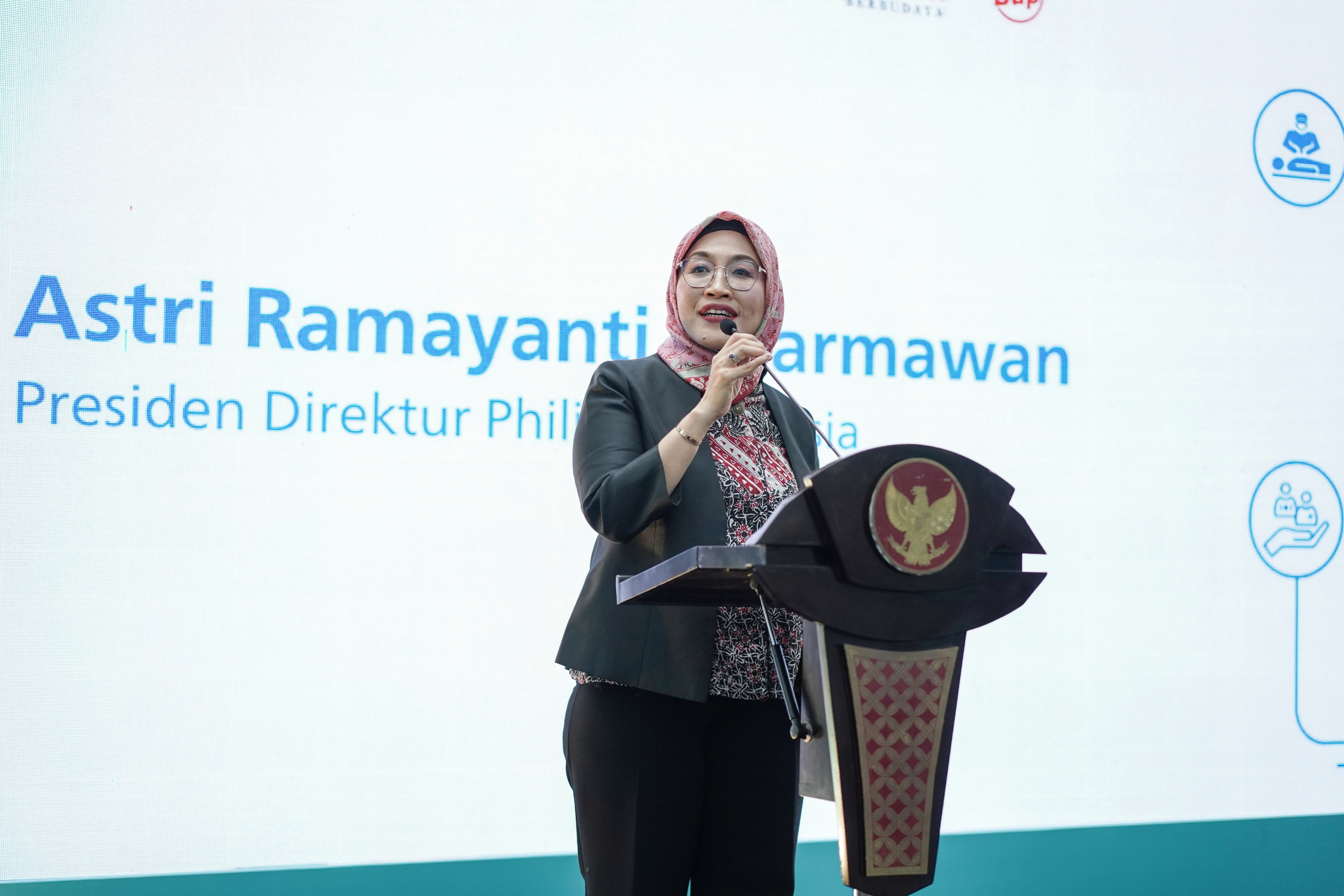
“Philips’ journey in Indonesia has always been built on trust, collaboration, and a shared commitment to transform healthcare for millions of people. Our approach combines advanced systems with structured training and clinical protocols to maximize the potential of hospital systems, which, in tandem, improves experience for healthcare workers. This is how we help ensure care that is sustainable and scalable over time. This milestone is just the beginning of a shared journey toward a more inclusive and resilient healthcare system for all Indonesians,” said Astri Ramayanti, President Director of Philips Indonesia.
Philips has a strong footprint in Indonesia, employing over 3,900 people across 12 cities and operating a manufacturing facility in Batam for its Personal Health businesses. Philips’ dedication to supporting Indonesia’s healthcare transformation is also backed by its 10th annual Future Health Index (FHI) report, released in July. The world’s largest study of its kind explored how healthcare professionals and patients across 16 countries—including Indonesia—view the role of artificial intelligence (AI) and digital innovation in improving healthcare access, patient outcomes, and system resilience.
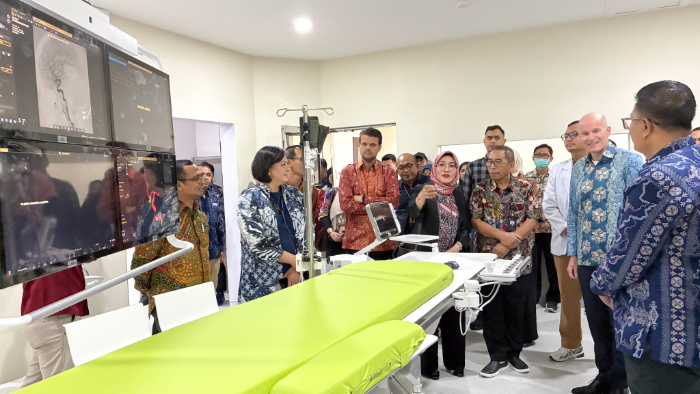
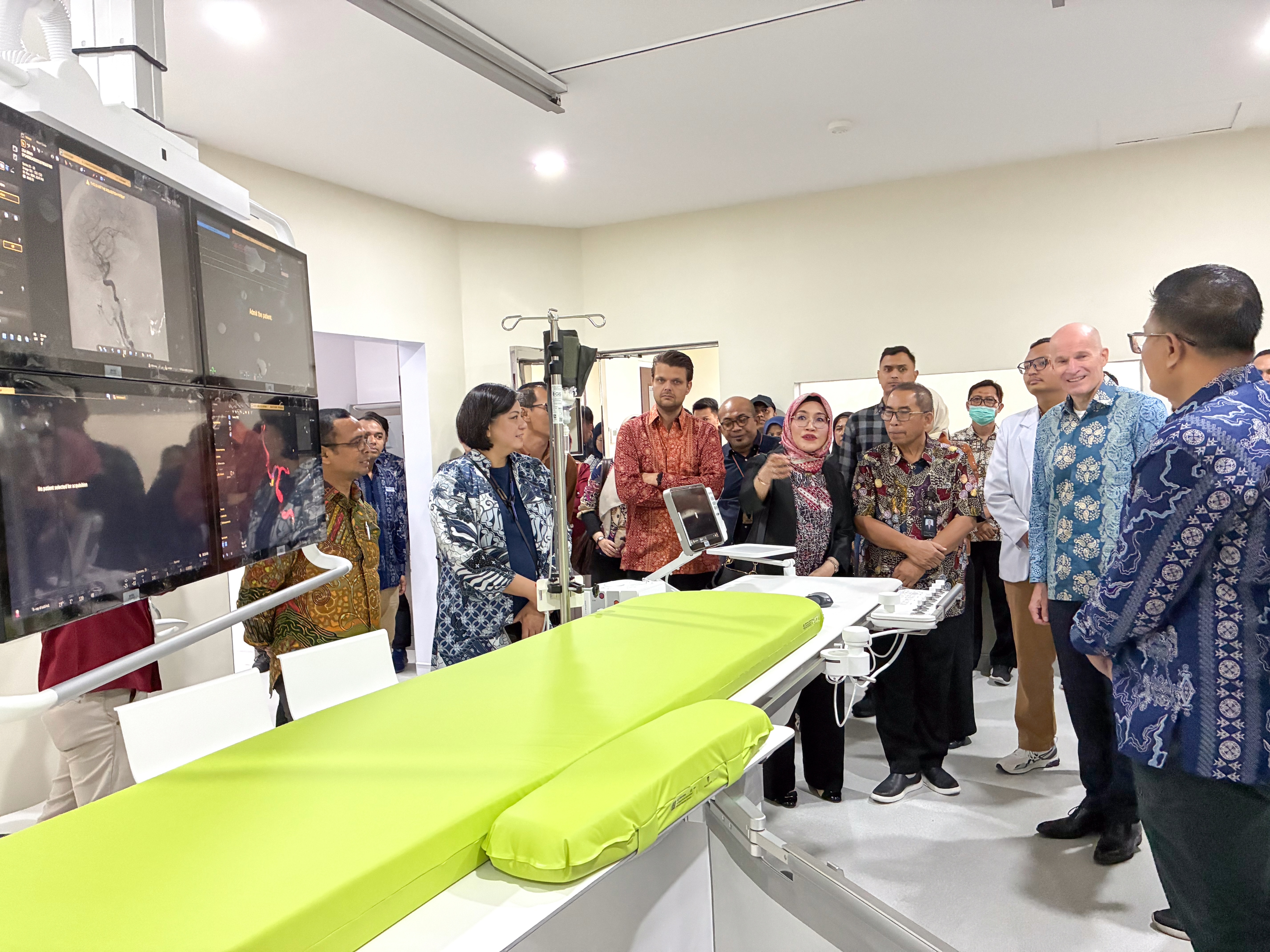
The Cath Lab system installed at RSUD Kabupaten Kediri.
About Royal Philips
Royal Philips (NYSE: PHG, AEX: PHIA) is a leading health technology company focused on improving people’s health and well-being through meaningful innovation. Philips’ patient- and people-centric innovation leverages advanced technology and deep clinical and consumer insights to deliver personal health solutions for consumers and professional health solutions for healthcare providers and their patients in the hospital and the home.
Headquartered in the Netherlands, the company is a leader in diagnostic imaging, ultrasound, image-guided therapy, monitoring and enterprise informatics, as well as in personal health. Philips generated 2024 sales of EUR 18 billion and employs approximately 67,800 employees with sales and services in more than 100 countries. News about Philips can be found at www.philips.com/newscenter.
Topics
Contacts



Media assets
Share on social media
Related news
-
![Why resilience in MRI now matters as much as performance]()
April 01, 2026


