May 03, 2026
Philips unveils smart, AI-enabled patient monitoring strategy to help hospitals in Asia address workforce shortages
Open, interoperable platform connects patient data across health systems and unlocks insights to support earlier intervention
SINGAPORE – Royal Philips (NYSE: PHG, AEX: PHIA), today unveiled a new patient monitoring innovation strategy at its Innovation Summit in Singapore, designed to help hospitals address workforce shortages and improve care coordination. The approach leverages on an open, AI-enabled platform to connect patient data across hospitals and care settings. By combining automation, artificial intelligence (AI) and connected data, it delivers actionable insights and smart alerts to help teams detect risks earlier, make faster decisions and collaborate more effectively. “Patient monitoring is no longer just about watching numbers on a screen,” said Professor Aurel K. Qian, PhD, HIMSS Asia Pacific Advisory Board Member. “Healthcare is shifting toward a more connected, real-time understanding of each patient, giving clinicians information they can quickly interpret and trust. This helps care teams spend less time navigating systems and more time focusing on patients.”
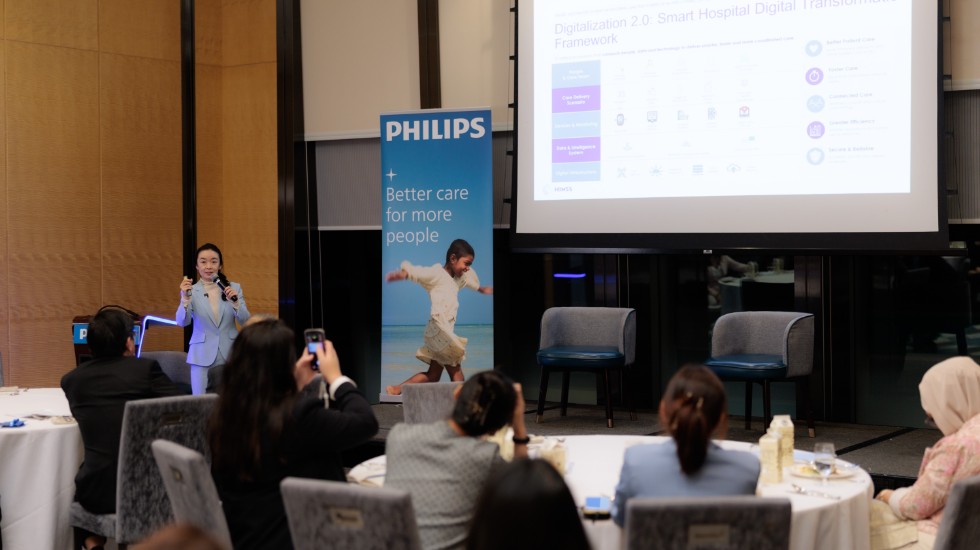
Professor Aurel K. Qian, PhD, HIMSS Asia Pacific Advisory Board Member, presenting the keynote speech
Healthcare is shifting toward a more connected, real-time understanding of each patient, giving clinicians information they can quickly interpret and trust. This helps care teams spend less time navigating systems and more time focusing on patients.
Professor Aurel K. Qian, PhD
Asia Pacific Advisory Board Member, HIMSS
Healthcare systems across Asia are under increasing strain. According to the Future Health Index, 66% of patients experience delays in seeing specialists, while 76% of healthcare professionals report losing valuable clinical time due to incomplete or inaccessible data1 . This is compounded by a projected global shortage of over 11 million healthcare workers by 2030, with Southeast Asia accounting for about a quarter2 . Drawing on one of the world’s largest monitoring installed bases and decades of innovation, Philips is helping health systems address these challenges and enable system-wide deployment. “Philips patient monitoring technology, built on decades of innovation experience, supports the care of millions of patients each year. We partner with hospitals to enable care teams to act earlier and respond effectively at scale,” said Stephanie Sievers, Managing Director, Philips Asia Pacific. “Through strong local and regional collaboration, we deliver solutions designed around real-world clinical needs, helping ensure care is delivered when it matters most.”
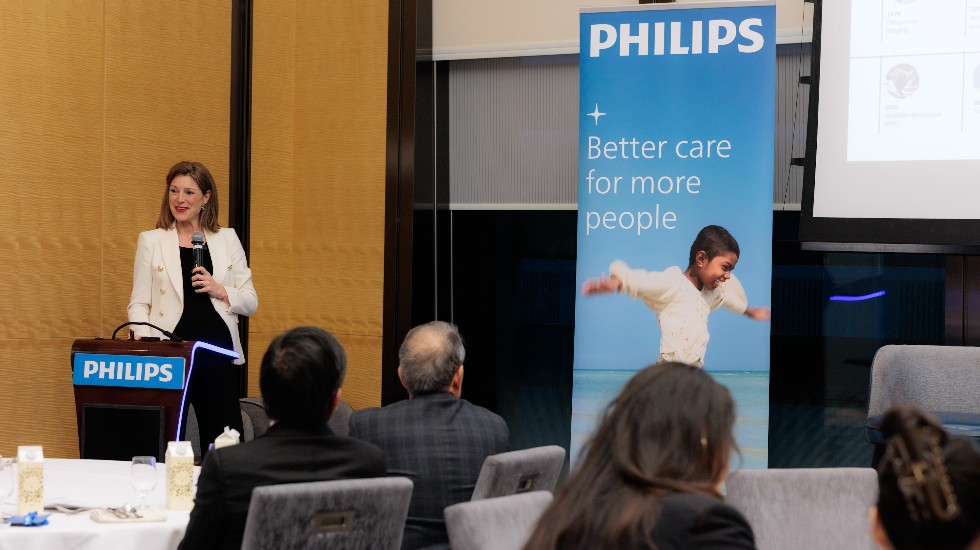
Stephanie Sievers, Managing Director for Philips APAC, giving the welcome address
Philips patient monitoring technology, built on decades of innovation experience, supports the care of millions of patients each year. We partner with hospitals to enable care teams to act earlier and respond effectively at scale.
Stephanie Sievers
Managing Director, Philips Asia Pacific
From devices to connected, insights-driven care
Traditional monitoring has relied on siloed systems, leading to fragmented workflows. Philips combines AI with open, interoperable platforms to connect bedside monitors, central stations, enterprise systems and third-party technologies, creating a unified patient view. This helps teams identify deterioration earlier, prioritize intervention and reduce unnecessary alarms, supporting faster, more informed decisions. Designed to integrate with existing hospital infrastructure, the platform supports adoption without requiring large-scale system replacement.
Heart monitoring enabled by modern command centers
A specific innovation showcased to healthcare professionals at the summit is the Enterprise Command and Care Coordination Center, which enables heart monitoring, and more informed clinical decisions. Wireless monitoring provides real-time insights into heart activity and vital signs, while AI-based algorithm identifies patterns and flags early signs of irregularities such as arrhythmias and cardiac events. Alarm management prioritizes alerts for timely action.
This approach supports broader range of complex conditions, including chest pain, heart failure and chronic respiratory disease. Integrated virtual nursing workflows including camera-enabled admission, discharge and observation, help reduce the burden on bedside staff while maintaining consistent oversight. Third-party remote monitoring technologies and wearables can be integrated into the central station using Philips’ interoperability solution. This extends monitoring into outpatient and post-discharge settings to support continuity of care.
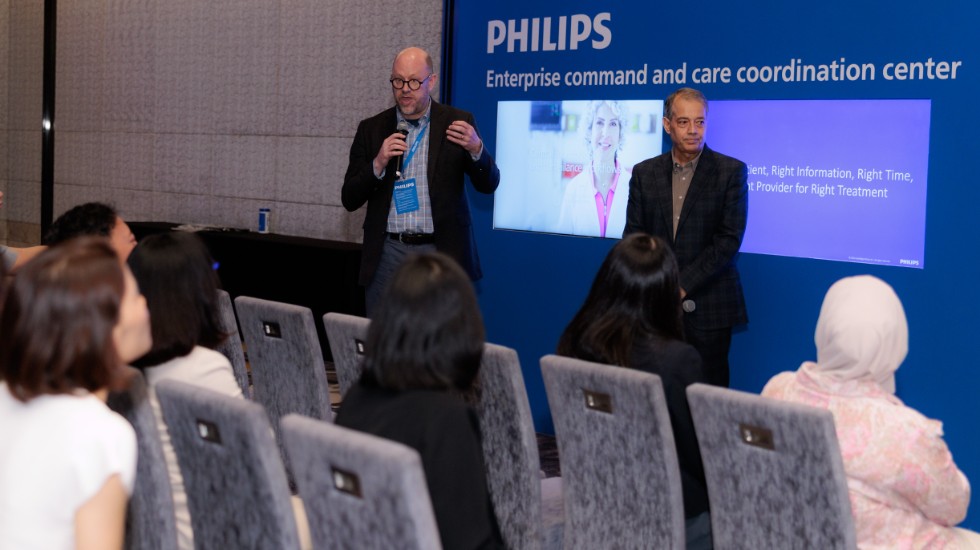
Philips unveiled a new patient monitoring strategy designed to help hospitals address workforce shortages and improve care coordination
Additionally, the event also presents other solutions including mobile-enabled monitoring solutions and intuitive visualization tools anchored by patient avatars. Mobile-enabled monitoring tools provide secure access to patient information anywhere, bringing key data into a single view to support faster decisions and better coordination. Easy-to-read patient avatar displays simplify complex data into clear insights, helping teams quickly assess patient status, even in high-pressure situations.
“At its heart, innovation in patient monitoring is about supporting clinicians and improving outcomes for every patient,” said Sharad Jhingan, Head of Hospital and Ambulatory Monitoring, Philips Asia Pacific. “Our innovation and strong partnerships help health systems shape a future where patient monitoring is more predictive, connected and continuous, enabling clinicians to deliver better care for more people.”
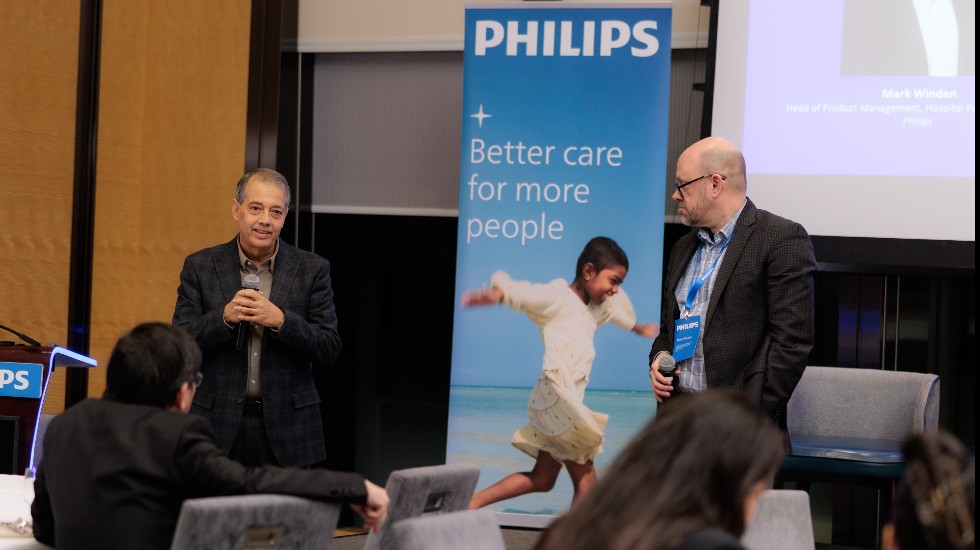
Sharad Jhingan, Head of Hospital and Ambulatory Monitoring, Philips APAC and Mark Winden, Head of Product Management, Hospital Patient Monitoring, Philips
Our innovation and strong partnerships help health systems shape a future where patient monitoring is more predictive, connected and continuous, enabling clinicians to deliver better care for more people.
Sharad Jhingan
Head of Hospital and Ambulatory Monitoring, Philips Asia Pacific
Philips is a global leader in hospital patient monitoring. Hospitals working with Philips have reported tangible results. These include: • Up to 40% reduction in non-actionable ICU alarms3 • 69% reduction in ICU hours and savings of about USD 1,770 per patient in overall hospital costs4 • Up to 86% reduction in cardiac arrests5 • Approximately USD 1.2 million in cost savings, elimination of 420,000 batteries and 6.5 million paper sheets through workflow digitization6
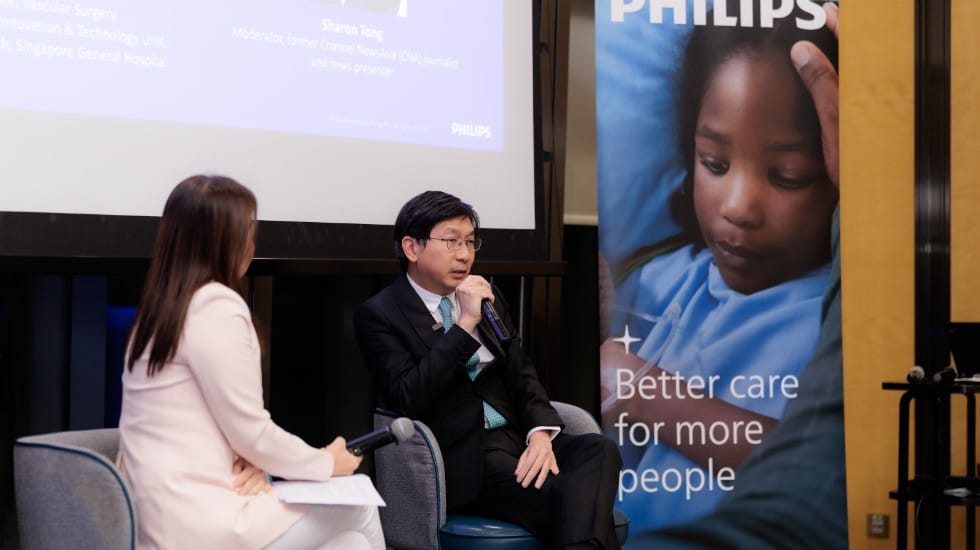
Dr Luke Tay Hsien Ts’ung, Senior Consultant, Vascular Surgery, Singapore General Hospital, with the clinician's perspective
References [2] Global strategy on human resources for health: workforce 2030 (World Health Organization) [3] St Antonius Hospital customer story [4] Philips partnership demonstrates remote monitoring innovations - Philips [6] Monitoring solutions can help Jackson Health System reduce its carbon footprint
About Royal Philips
Royal Philips (NYSE: PHG, AEX: PHIA) is a leading health technology company focused on improving people’s health and well-being through meaningful innovation. Philips’ patient- and people-centric innovation leverages advanced technology and deep clinical and consumer insights to deliver personal health solutions for consumers and professional health solutions for healthcare providers and their patients in the hospital and the home.
Headquartered in the Netherlands, the company is a leader in diagnostic imaging, ultrasound, image-guided therapy, monitoring and enterprise informatics, as well as in personal health. Philips generated 2024 sales of EUR 18 billion and employs approximately 67,800 employees with sales and services in more than 100 countries. News about Philips can be found at www.philips.com/newscenter.
Topics
Contacts



Media assets
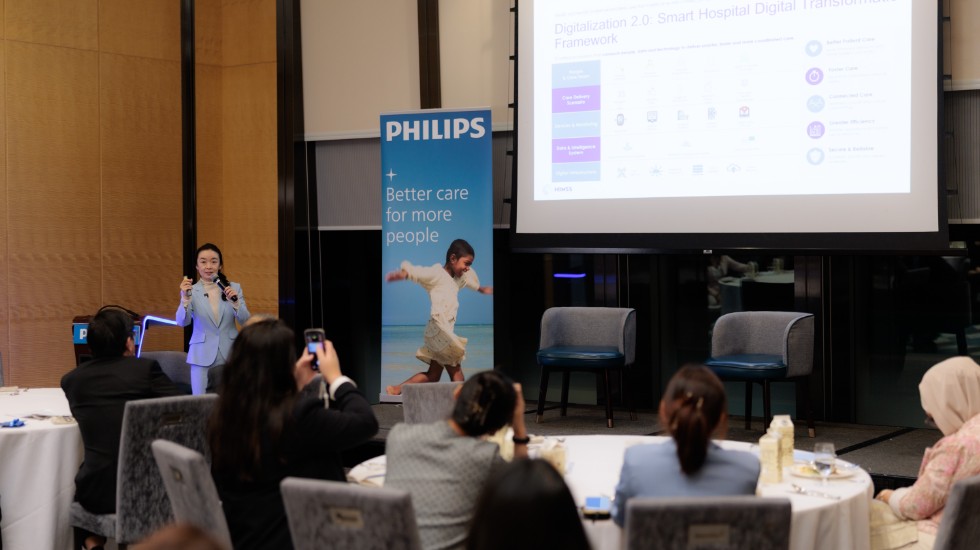
Professor Aurel K. Qian, PhD, HIMSS Asia Pacific Advisory Board Member, presenting the keynote speech
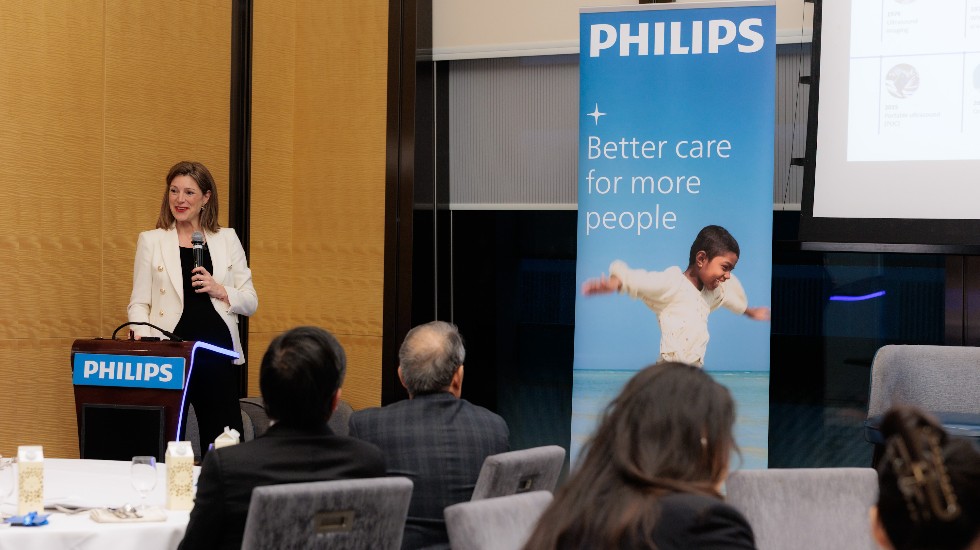
Stephanie Sievers, Managing Director for Philips APAC, giving the welcome address
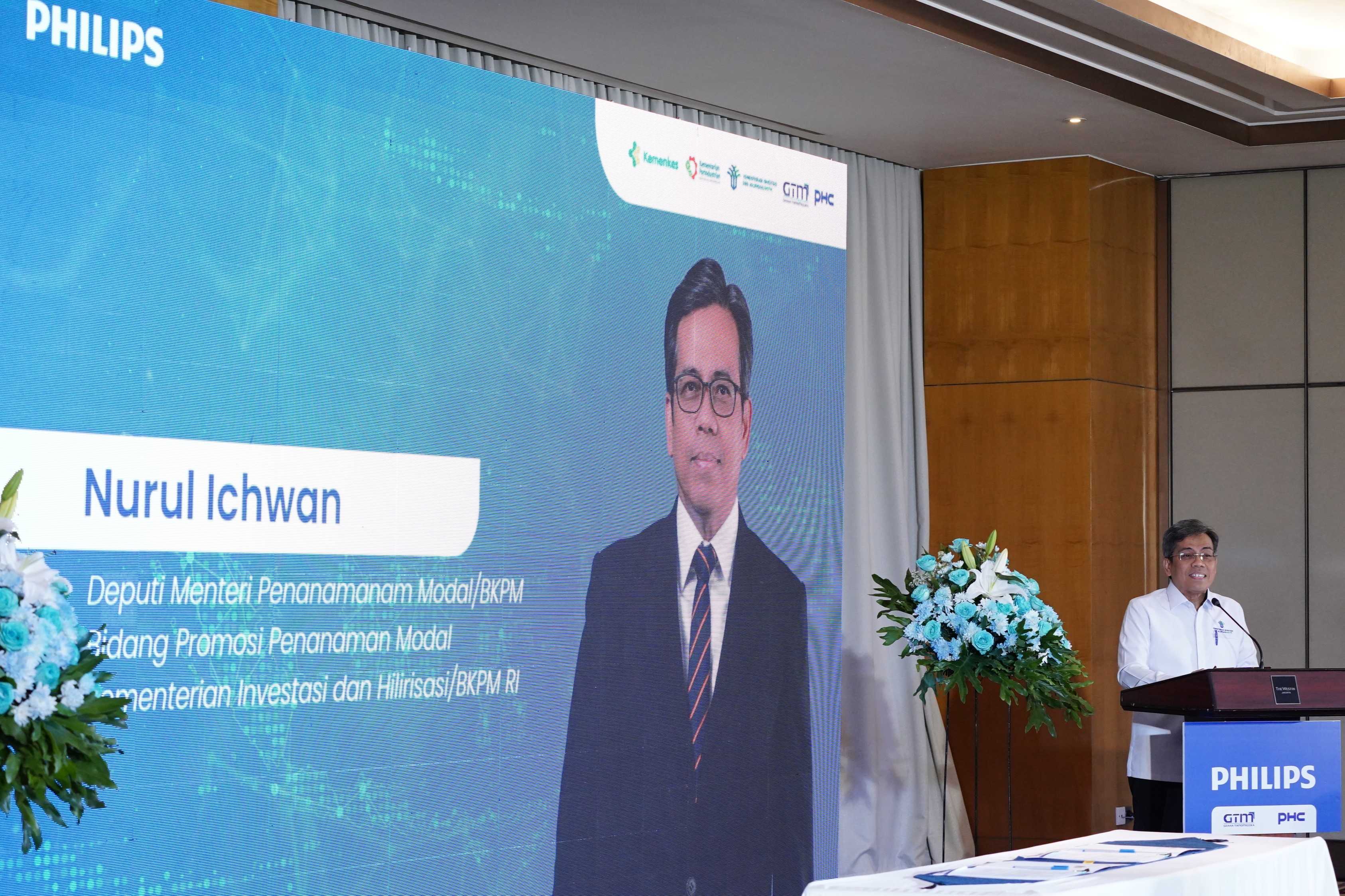
Philips unveiled a new patient monitoring strategy designed to help hospitals address workforce shortages and improve care coordination
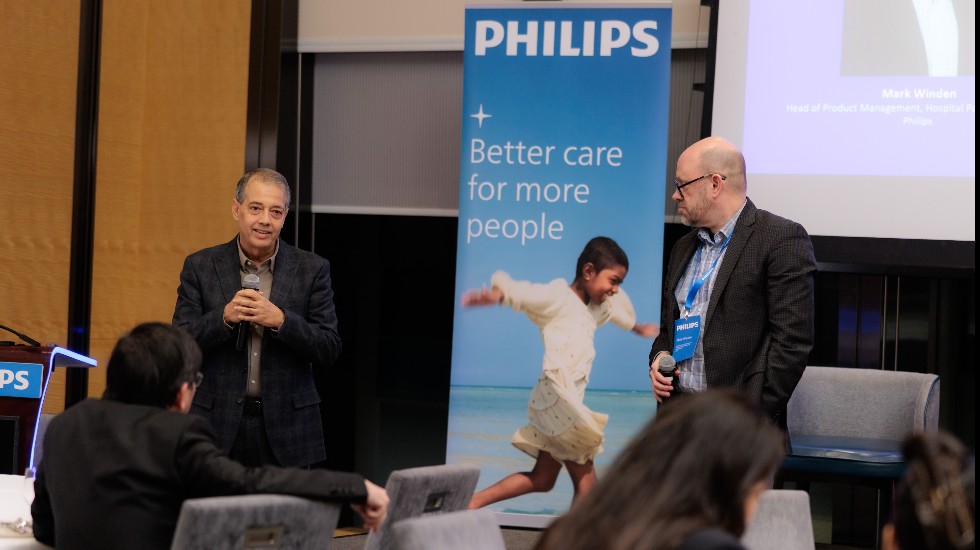
Sharad Jhingan, Head of Hospital and Ambulatory Monitoring, Philips APAC and Mark Winden, Head of Product Management, Hospital Patient Monitoring, Philips
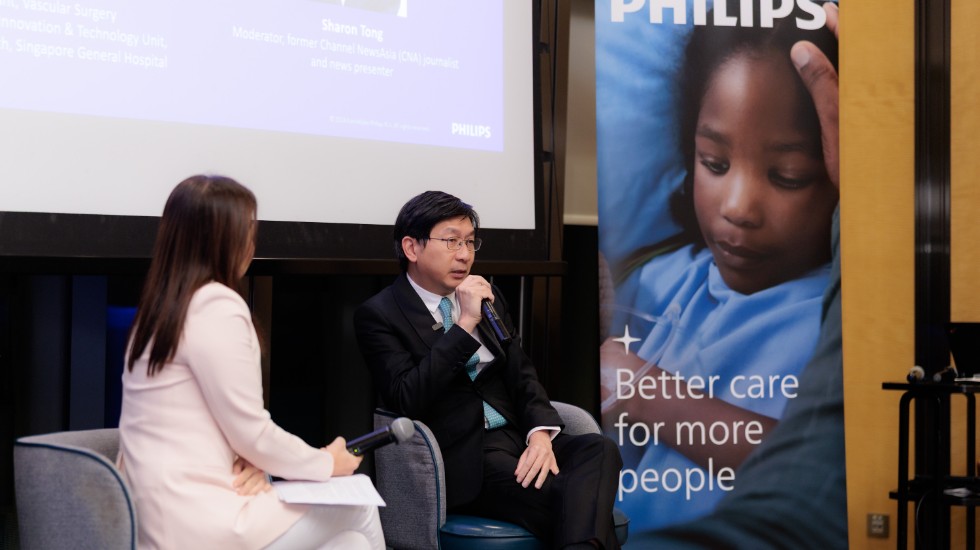
Dr Luke Tay Hsien Ts’ung, Senior Consultant, Vascular Surgery, Singapore General Hospital, with the clinician's perspective
Share on social media
Related news
-
![Why resilience in MRI now matters as much as performance]()
April 01, 2026


