
Oct 15, 2025
Collaborate and co-create: How Philips is working with Clinicians to transform Ultrasound Cardiology
At the heart of Philips ultrasound cardiology is a simple yet powerful idea: by listening to clinicians, we can better understand their realities and co-create solutions that improve care. From AI tools to workflow efficiency, a recent medical advisory board meeting showcased how this approach is shaping the future of echocardiography across diverse countries.
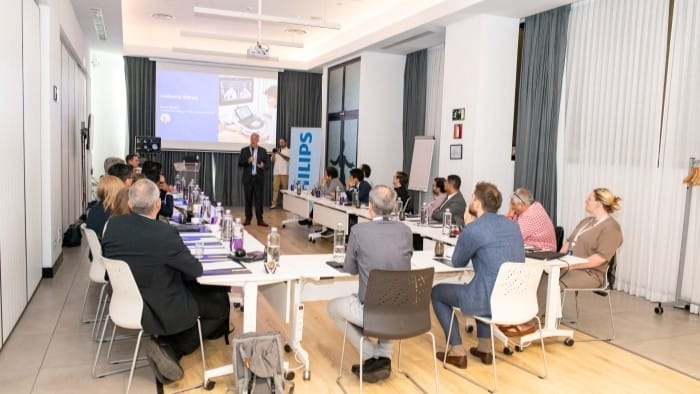
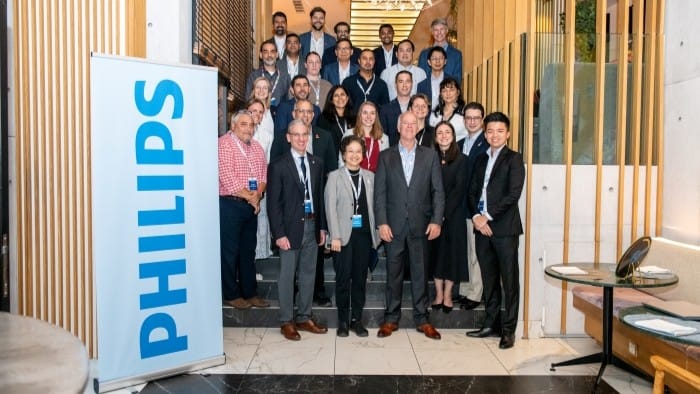
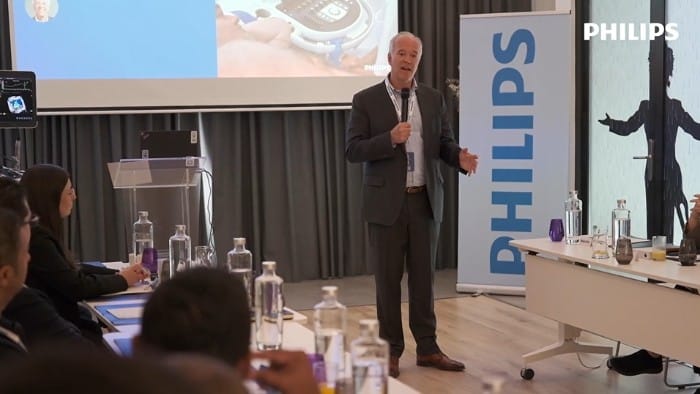
Prior to the European Society of Cardiology Congress, a room in Madrid buzzed with the energy of collaboration. Eleven key opinion leaders from Australia, Egypt, Japan, Mexico, New Zealand, Oman, Saudi Arabia, Singapore, Thailand, and Türkiye gathered with Philips’ Research & Development teams. Their shared goal? To tackle the most pressing challenges in ultrasound cardiology and shape innovations that resonate with clinicians worldwide.
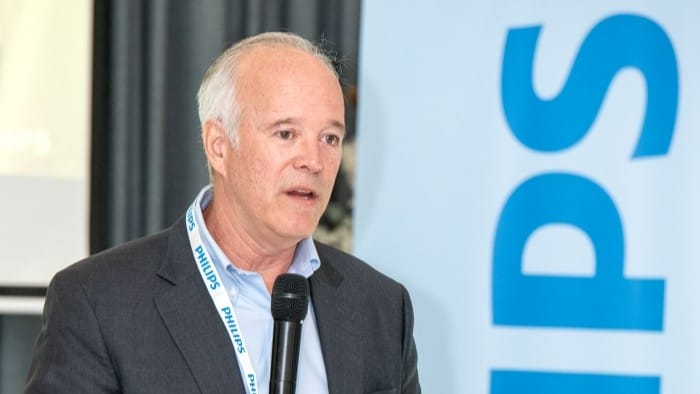
It’s how we understand their biggest day-to day challenges and share what we’re building. The feedback keeps our ultrasound cardiology innovations at their best globally.
David Handler
Global Business Category Leader, Cardiology Ultrasoundd, Philips
Around the table, the conversation flowed freely—about AI tools that could simplify workflows, the growing burden of heart failure management, and the need for breakthrough innovations in structural heart disease. Prototypes were tested, feedback was shared, all towards a common question: clinician time is precious—how do we give more of it back to patients?
What clinicians told us: why cardiology workflows are under pressure
Cardiologists today face a perfect storm of challenges. Increasing patient loads, aging populations, and clinician shortages are straining healthcare systems worldwide. Fragmented processes and inefficient workflows further compound the issue, leaving less time for what matters most – caring for patients.
For patients, the impact is stark. Globally, nine out of ten cardiology patients experience delays to see a specialist, waiting nearly 12 weeks on average. For nearly one in three, this wait leads to worsening conditions and even hospital admissions[1].
Across the ten countries represented at the advisory board, clinicians shared a common ask: the need for tools that simplify and automate repetitive tasks and reduce the cognitive load of daily practice.
Turning clinician feedback into faster, more reproducible echo
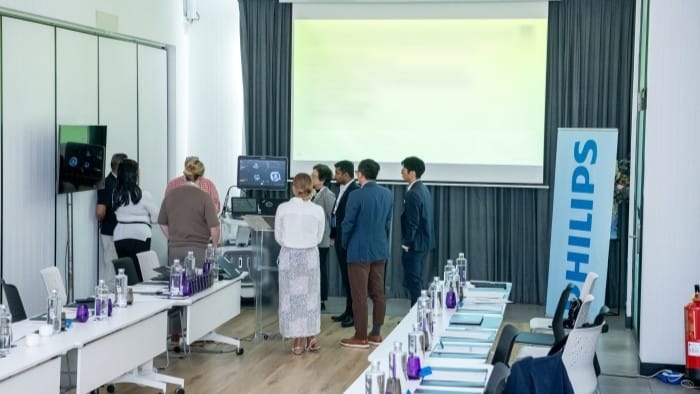
At Philips, our goal for echocardiography is clear: to make diagnostic exams faster, more accurate, and take less time to perform. Over the years, the company has focused on improving exam efficiency and reproducible quantification. Now, the next frontier is leveraging AI to support clinical decision-making — aggregating images and data to offer analyses while ensuring the clinician remains in control.

AI is an enabler that can help support more consistent and efficient examinations. To achieve this, we focus on building high-quality data and algorithms, applying AI to automate routine workflows and extending it into more advanced areas of echocardiography. Ultimately, it is about how clinicians choose to adopt new workflows with AI, so they can focus more of their time on patient care.
Jeff Cohen
Global Business Leader for Ultrasound, Philips
Clinicians who have engaged with automated echocardiography features have shared that these tools can help make measurements quicker, streamline image acquisition and analysis, and are intuitive to adopt in practice. Early user feedback also indicates that such automation may support greater consistency in exams and reduce time spent on routine steps, allowing more focus on patient care.
A trusted platform for co-creation
Collaboration is at the heart of innovation. At Philips, we believe that transforming healthcare requires working hand-in-hand with clinicians, researchers, and partners across the globe.
Through medical advisory boards and other platforms, we actively engage with healthcare professionals to co-create solutions that address real-world challenges. By sharing prototypes and gathering insights from key leaders across diverse geographies, we focus on ensuring that our innovations are both relevant to clinical practice and designed with long-term usability in mind.
This collaborative approach is powered by an extensive network of partnerships—spanning public and private sectors—that accelerates innovation by combining access to technology, insights, and data. For example, through the latest insights from heart failure specialists and cardiac sonographers, we are co-developing tools designed to help streamline workflows, support reproducibility, and ease day-to-day demands on clinical staff.
This Medical Advisory Board meeting is extremely valuable. By listening to clinicians and integrating their feedback into every stage of development, we aim to create solutions that are practical and aligned with our needs
Hani Mahmoud
Doctor, Aswan Heart Centre, Egypt
At Philips, trust is the foundation of these partnerships. By listening to clinicians and integrating their feedback into every stage of development, we create solutions that are not only effective but also deeply aligned with their needs. Together, we’re delivering better heart care for more people.
Curious to catch a glimpse of what went on at the recent Ultrasound Cardiology Medical Advisory Board? Watch the short video to see how clinicians from ten countries came together to shape the future of echocardiography:
References [1] Philips Future Health Index 2025: Cardiology Snapshot, August 2025.


Related news
-
![Why resilience in MRI now matters as much as performance]()
April 01, 2026


